How Rapid Heavy Duty Recovery Protects Fleet Insurance Records
Fleet operations depend on reliability, documentation, and risk control. When a commercial vehicle breaks down or becomes disabled, the response time matters far beyond getting it off the road. Heavy-duty towing plays a direct role in protecting fleet insurance records by limiting exposure, reducing secondary damage, and supporting accurate incident documentation.
For fleet managers and logistics operators, delays during recovery can lead to higher claim costs, increased liability, and long-term impacts on insurance standing. This is why professional towing services in Calgary are often built into fleet risk planning, not treated as a last-minute decision.
Why Insurance Records Matter in Fleet Operations
Insurance providers assess fleets based on frequency, severity, and handling of incidents. A single poorly managed recovery can result in additional claims, contested liability, or prolonged investigations.
- Fleet insurance records typically reflect
- Time between incident and recovery
- Presence of secondary damage
- Documentation quality
- Roadway safety impacts
- Compliance with safety procedures
Commercial auto insurance helps protect businesses from financial loss when their vehicles are involved in accidents or other incidents. Claims history and risk management practices can influence insurance costs and coverage decisions.
Rapid, professional recovery directly influences all of these factors.
How Delayed Recovery Increases Insurance Risk
When heavy vehicles remain disabled for extended periods, exposure increases significantly. Secondary collisions, cargo damage, and environmental impacts can occur before recovery begins.
Insurance providers often view delays as a controllable risk factor. Extended roadside incidents may result in:
- Escalated claim values
- Multiple claim events tied to one breakdown
- Increased third-party liability
- Greater scrutiny during policy renewal
Quick response from heavy-duty towing services in Calgary helps prevent these issues before they escalate.
Rapid Recovery Limits Secondary Damage
Heavy vehicles carry weight, cargo, and mechanical complexity. When recovery is delayed, even stable vehicles can suffer additional damage due to traffic flow, weather, or load shifting.
Professional heavy-duty operators use specialized equipment and planning to
- Stabilize disabled units quickly
- Prevent rollovers or load movement
- Reduce contact damage during extraction
By limiting secondary damage, fleets reduce claim scope and avoid disputes over what damage occurred during the incident versus after it.
How Rapid Recovery Protects Cargo and Third-Party Assets
Heavy commercial vehicles rarely operate in isolation. Many incidents involve customer freight, leased equipment, or third-party assets that introduce additional insurance considerations. Delayed recovery increases the risk of cargo shifts, environmental exposure, or unauthorized access, all of which can expand claim scope.
Rapid heavy-duty recovery limits these risks by stabilizing loads early and securing the scene before external factors create additional losses. This is especially important for temperature-sensitive cargo, time-critical deliveries, or specialized equipment under separate insurance coverage.
When third-party assets remain protected, claims remain cleaner. Insurers are less likely to see disputes between carriers, shippers, or subcontractors. Faster recovery helps preserve asset condition and supports clearer responsibility boundaries, which benefits fleet insurance records over the long term.
Faster Scene Clearance Reduces Liability Exposure
Disabled commercial vehicles create immediate risks for surrounding traffic. When large vehicles remain on the roadside, visibility is reduced, and traffic patterns are disrupted. This increases the likelihood of secondary incidents involving passing motorists or responding personnel.
Employers have a responsibility to manage roadside hazards and maintain safe conditions during vehicle-related incidents. Prompt heavy-duty recovery helps control these risks by clearing lanes faster, restoring traffic flow, and reducing exposure for drivers, workers, and the public.
By shortening the duration of roadside obstruction, rapid recovery limits liability related to unsafe conditions and supports safer outcomes for all parties involved.
Accurate Documentation Supports Insurance Claims
Insurance outcomes depend heavily on documentation quality. Professional towing operators follow structured recovery procedures that support clear reporting.
This includes
- Arrival and clearance timestamps
- Vehicle condition assessments
- Load stabilization records
- Photographic documentation when required
Clear documentation helps insurers process claims efficiently and reduces disputes related to fault, damage timing, or recovery handling.
Why Insurers Track Recovery Timelines Closely
Insurance reviews often examine more than the cause of an incident. Recovery timelines are increasingly used to evaluate how effectively a fleet manages operational risk. Extended response times may signal gaps in planning, vendor relationships, or internal escalation procedures.
Rapid heavy-duty recovery demonstrates that a fleet can mobilize quickly under pressure. This reduces uncertainty during claim reviews and supports consistent risk scoring across policy periods. Fleets that resolve incidents efficiently are often viewed as lower-exposure accounts.
Clear recovery timelines also strengthen post-incident reporting. When response actions are prompt and documented, insurers can separate primary damage from secondary exposure. This clarity protects fleet insurance records and helps prevent long-term premium increases tied to avoidable delays.
Professional Recovery Shows Risk Management Discipline
Insurance providers look closely at how fleets manage incidents. Proactive recovery planning demonstrates that a fleet treats roadside events as controlled operational risks rather than emergencies handled without preparation.
Using professional heavy-duty towing services in Calgary shows insurers that recovery is managed by trained operators with the right equipment and procedures. This reduces uncertainty, limits exposure, and supports consistent handling of incidents across the fleet.
Structured recovery practices reflect strong operational discipline and signal to insurers that safety, compliance, and accountability are embedded into fleet management decisions.
Reduced Downtime Protects Claim Severity
Extended downtime often increases insurance costs indirectly. Cargo delays, missed deliveries, and equipment losses can lead to additional claims or financial losses not fully covered by insurance.
Quick recovery
- Shortens incident duration
- Limits business interruption losses
- Reduces the likelihood of secondary claims
This keeps overall claim severity lower, which supports long-term insurance stability.
The Link Between Recovery Speed and Renewal Outcomes
Insurance renewals are influenced by patterns, not single events. Fleets that repeatedly demonstrate fast, controlled recoveries establish a record of operational reliability. Over time, this consistency can affect underwriting decisions and coverage terms.
Rapid recovery reduces claim complexity, limits supplemental investigations, and shortens open claim duration. These factors contribute to a more favourable loss history, which insurers consider during renewal evaluations.
When heavy-duty recovery is treated as part of a risk strategy rather than an emergency reaction, fleets gain leverage. Strong recovery performance supports negotiations, reinforces safety narratives, and helps protect long-term insurance positioning.
Why Fleets Pre-Plan Heavy Duty Recovery
Many fleets include towing providers in their emergency response planning. This ensures immediate access to equipment and expertise when incidents occur.
Pre-planning recovery services helps
- Improve response times
- Standardize documentation
- Reduce confusion during incidents
- Maintain consistent insurance reporting
This approach turns recovery into a controlled process rather than a reactive one.
The Role of Professional Heavy Duty Towing
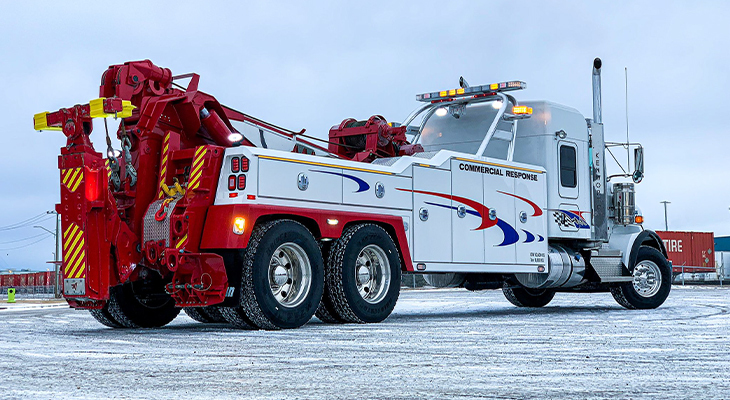
Heavy vehicles require more than standard towing. Recovery often involves load management, traffic coordination, and specialized lifting systems.
Professional heavy-duty towing services in Calgary are equipped to manage
- Tractor trailers
- Construction equipment
- Commercial fleet vehicles
- Accident recoveries and roadway incidents
This level of capability ensures recovery is completed safely, efficiently, and in a manner aligned with insurance expectations.
About Us
AAA Towing provides professional heavy-duty towing and recovery solutions for commercial fleets across Calgary and surrounding areas. Our team works with logistics operators, construction firms, and fleet managers to deliver fast, controlled recovery that supports safety, compliance, and insurance protection.
If your fleet requires dependable heavy-duty towing support, proactive recovery planning, or rapid response after an incident, our team is ready to help.
Contact us today to discuss how professional recovery services can protect your operations and your insurance records.