How Towing Companies Manage Oversized Equipment Transport Safely
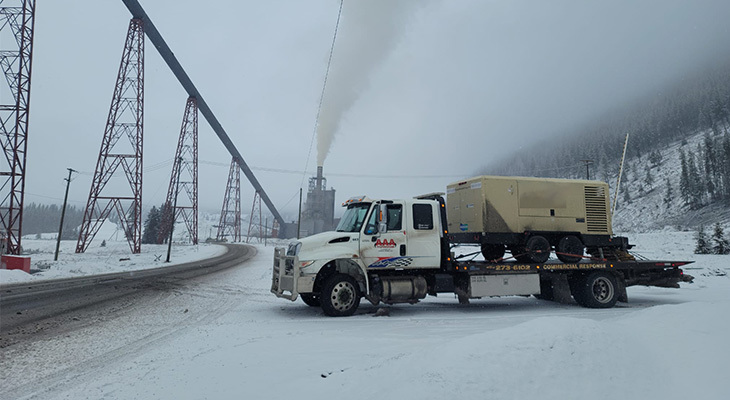
Transporting oversized equipment is one of the most complex responsibilities handled by towing companies in Calgary. Unlike standard vehicle towing, oversized loads involve increased risk, regulatory oversight, and coordination across multiple safety disciplines. When handled incorrectly, these transports can disrupt traffic, damage infrastructure, and expose operators to serious liability.
Professional towing companies apply structured planning, certified equipment, and trained personnel to manage these risks.
This article explains how Calgary towing service providers safely manage oversized equipment transport while protecting workers, road users, and cargo.
What Qualifies as Oversized Equipment
Oversized equipment refers to loads that exceed standard legal dimensions or weight limits set by provincial transportation authorities. This often includes construction machinery, industrial generators, agricultural equipment, and large commercial assets.
In Alberta, oversize and overweight loads are regulated under provincial transport rules. Loads that exceed legal dimensions require permits, route planning, and specific safety measures before movement begins.
Pre Transport Planning and Risk Assessment
Safe oversized transport begins long before equipment is loaded. Professional towing companies conduct detailed risk assessments to identify potential hazards related to load size, weight distribution, road conditions, and traffic flow.
Planning includes evaluating bridge clearances, overhead utilities, turning radii, and pavement strength. Routes are selected to minimize disruption and avoid restricted infrastructure.
Weather is also considered. Wind, snow, and ice increase the risk of load instability, especially for tall or wide equipment. Heavy-duty towing operations may delay transport if conditions increase risk beyond acceptable limits.
This planning phase reduces unexpected complications during transport and protects both the load and the public.
Permits and Regulatory Compliance
Oversized equipment transport cannot proceed without proper authorization. Permits outline the conditions under which a load may travel, including approved routes, travel times, and escort requirements. These controls are designed to reduce risks to infrastructure, workers, and surrounding traffic during oversized movements.
Oversized equipment transport cannot proceed without proper authorization. Commercial oversize and overweight transport permits in Alberta define approved routes, travel times, signage, and escort requirements for safe movement.
Professional towing companies treat permit compliance as a core safety requirement. Every condition is reviewed during planning to ensure routes, timing, and escort support align with the approved authorization before transport begins.
Load Securement and Stability Control
Load securement is one of the most critical safety factors in oversized equipment transport. When loads are not properly restrained, shifting can occur during braking, cornering, or uneven road conditions. This increases rollover risk and creates serious hazards for surrounding traffic.
Professional towing companies treat securement as a controlled process rather than a single step. Equipment is restrained using methods selected for the specific load weight, shape, and centre of gravity. Securement systems are designed to limit movement in all directions throughout the transport cycle.
Stability is actively managed during transport. Operators monitor handling behavior, braking response, and road conditions to ensure the load remains within safe operating limits. Regular checks are performed during scheduled stops to confirm restraints remain properly tensioned.
This disciplined approach to load securement and stability control reduces the likelihood of incidents and supports safe oversized equipment transport on public roadways.
Traffic Control and Escort Coordination
Oversized loads often require traffic control measures to protect both the transport team and surrounding motorists. This may include pilot vehicles, signage, and coordinated lane management.
Escort vehicles warn approaching traffic of slow-moving or wide loads. They also assist with lane changes, intersections, and tight turns.
In urban areas like Calgary, coordination with municipal traffic authorities may be required to manage congestion and ensure safe passage through busy corridors.
Effective traffic control reduces collision risk and minimizes disruption to normal traffic flow.
Operator Training and Certification
Oversized equipment transport demands highly trained operators. Drivers and recovery specialists must understand load dynamics, braking distances, and manoeuvring limitations.
Training covers permit compliance, hazard recognition, emergency response, and equipment operation. Operators are also trained to recognize early warning signs of load instability or mechanical issues.
Professional towing services in Calgary invest heavily in training because experience directly impacts safety outcomes.
Emergency Preparedness and Contingency Planning
Despite careful planning, unexpected situations can arise. Mechanical failures, traffic incidents, or sudden weather changes may require immediate response.
Towing companies develop contingency plans that outline procedures for breakdowns, load adjustments, and emergency stops. Communication protocols ensure rapid coordination between operators, escorts, and dispatch teams.
This preparedness limits downtime and reduces exposure to secondary incidents.
Documentation and Post Transport Review
After transport is complete, documentation is reviewed to confirm compliance with permit conditions and safety procedures. Any issues encountered are analyzed to improve future operations.
This review process supports continuous improvement and strengthens operational discipline across heavy-duty towing operations.
Why Professional Oversized Transport Matters
Oversized equipment transport is not a task for improvised solutions. It requires expertise, planning, and accountability. Businesses that rely on professional towing companies in Calgary reduce risk, protect assets, and maintain operational continuity.
Choosing a qualified provider ensures oversized equipment moves safely and legally, without unnecessary exposure to fines, delays, or safety incidents.
Conclusion
Oversized equipment transport requires more than powerful trucks and experienced drivers. It demands structured planning, regulatory awareness, and disciplined safety practices at every stage of movement. From route selection and permit compliance to load securement and traffic coordination, each decision directly affects public safety and operational reliability.
Professional towing companies in Calgary apply proven procedures to manage these risks. Heavy-duty towing operations rely on specialized equipment, trained operators, and continuous monitoring to ensure oversized loads move safely through complex road environments. These controls protect infrastructure, reduce liability exposure, and support uninterrupted commercial operations.
For businesses moving oversized equipment, choosing a qualified Calgary towing service is a risk management decision, not a convenience. Reliable towing services in Calgary help ensure oversized transport is completed efficiently, compliantly, and without unnecessary disruption.
About Us
At AAA Towing, we specialize in heavy-duty towing and oversized equipment transport for commercial and industrial clients across Calgary and surrounding areas. Our team understands the regulatory, logistical, and safety demands involved in moving large and complex loads.
We approach every transport with detailed planning, certified equipment, and trained professionals who prioritize safety at every stage. If your operation requires reliable towing services in Calgary for oversized equipment, our team is ready to support your needs.
Contact us today to discuss your oversized transport requirements and schedule professional support.