7 Safety Factors That Determine Successful Heavy Equipment Hauling Projects
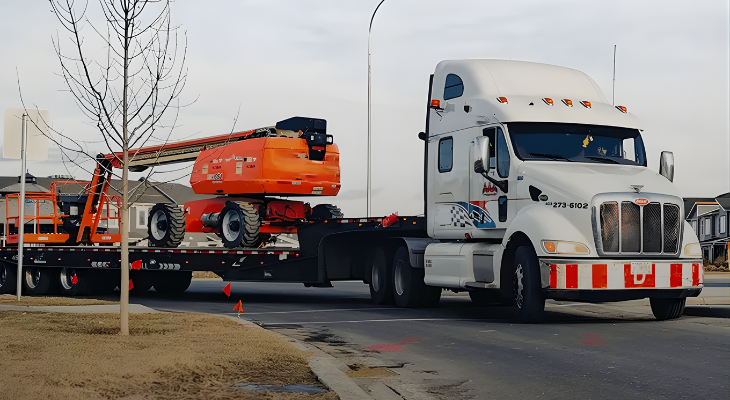
Moving construction machinery requires precision and planning. Heavy equipment hauling projects involve large loads, complex routes, and specialized transport vehicles.
Many businesses rely on professional transport providers when relocating large machinery between job sites. Choosing experienced operators for heavy equipment hauling services in Calgary helps reduce risks and protect valuable equipment.
Safe hauling practices protect both operators and other road users. Understanding the main safety factors behind heavy equipment hauling helps ensure every project runs smoothly.
Why Safety Matters in Heavy Equipment Hauling
Heavy equipment often weighs several tons and may exceed typical vehicle size limits. Transporting such machinery demands careful preparation and strict safety procedures.
Improper hauling practices can lead to equipment damage, road hazards, or transport delays. These risks increase when inexperienced operators attempt complex hauling tasks.
Regulations also require strict compliance with transportation rules. The Motor Vehicle Safety Act regulates the manufacture and importation of motor vehicles and motor vehicle equipment to reduce the risk of death, injury and damage to property and the environment.
These standards help ensure heavy vehicles and transport equipment operate safely across Canadian roads.
Understanding the Challenges of Heavy Equipment Hauling
Every hauling project presents unique challenges. Large machinery may require oversized load permits or special transport routes.
Urban transport can create additional obstacles, such as narrow streets or low overhead structures. In these situations, experienced operators and reliable commercial towing and hauling services play an important role in ensuring safe transport.
Professional hauling teams plan every step carefully before the equipment leaves the job site.
1. Proper Weight Assessment and Load Planning
Accurate weight assessment forms the foundation of safe hauling operations. Every machine has a specific weight, center of gravity, and load distribution requirement.
Operators measure equipment weight before selecting the correct trailer. Overloading a transport vehicle increases the risk of mechanical failure and road accidents.
Weight distribution also affects vehicle stability. Proper load balance helps maintain control during braking, turning, and highway driving.
Many professional heavy equipment hauling companies rely on detailed load calculations to prevent unsafe transport conditions.
2. Selecting the Right Transport Equipment
Different machines require different hauling equipment. Excavators, bulldozers, and cranes each demand specialized transport solutions.
Lowboy trailers are commonly used for large construction equipment because they provide a lower deck height. This helps accommodate tall machinery while maintaining legal road height limits.
Flatbed trailers also serve certain hauling tasks where height restrictions are less severe. Professional transport teams choose equipment carefully based on machinery size, weight, and travel distance.
Selecting the right trailer ensures the equipment remains stable during transport.
3. Route Planning and Road Safety Considerations
Transporting oversized machinery requires detailed route planning. Operators must evaluate several road conditions before beginning the haul.
They review bridge weight limits, traffic patterns, road width, and construction zones. These factors determine whether the planned route can safely accommodate large loads.
Canadian transportation authorities also regulate oversized vehicle movements. Oversized and overweight vehicle permits are required when a vehicle or load exceeds standard legal size or weight limits.
Permit requirements ensure large equipment moves safely across highways and municipal roads.
Careful planning helps reduce travel delays and ensures compliance with transportation regulations.
4. Load Securement and Equipment Stability
Heavy machinery must remain stable during the entire journey. Operators use securement systems designed specifically for oversized loads.
Chains, binders, reinforced straps, and wheel blocks help prevent equipment movement. These systems keep machinery stable even when the transport vehicle encounters rough road conditions.
Improper securement can cause shifting loads that threaten road safety. Professional operators inspect securement points several times during transport to confirm equipment stability.
Proper load securement protects both the machinery and the surrounding traffic.
5. Experienced Operators and Specialized Training
Heavy equipment hauling requires trained professionals who understand complex transport procedures. Operators must manage large vehicles while navigating traffic, highway speeds, and changing road conditions.
Professional operators learn how to handle oversized loads safely. They understand braking distances, vehicle maneuvering, and emergency response procedures.
Training programs often include safety regulations and vehicle inspections. Training helps workers develop the knowledge and skills they need to perform their work safely.
Experienced operators reduce the likelihood of accidents during equipment transport.
6. Equipment Inspection Before Transport
Inspection procedures protect both the equipment and the transport vehicle. Before starting any haul, operators examine the trailer, tires, braking systems, and tie-down points.
Mechanical issues discovered during inspection can be corrected before the vehicle begins travelling. This helps prevent unexpected breakdowns during the hauling process.
Routine inspections also ensure compliance with safety regulations governing commercial vehicles. Maintaining equipment properly reduces operational risks and protects valuable machinery.
Regular inspection practices are a key part of responsible heavy equipment hauling operations.
7. Local Transport Conditions and Weather Factors
Weather conditions can significantly affect hauling safety. Rain, snow, and icy roads increase stopping distances and reduce traction for large transport vehicles.
Alberta drivers often face rapidly changing weather conditions during the winter months. Experienced operators monitor weather forecasts and adjust travel schedules accordingly.
Professional hauling teams may delay transport if road conditions become unsafe. This careful decision-making helps protect drivers, equipment, and other road users.
Why Professional Heavy Equipment Hauling Matters
Transporting large machinery involves far more than loading equipment onto a trailer. Each project requires route planning, secure loading procedures, regulatory compliance, and skilled vehicle operation.
Businesses that rely on construction or industrial equipment often depend on specialized hauling services to protect their machinery investments. Experienced operators understand how to transport large equipment safely across urban and rural roads.
Professional hauling services also reduce downtime when equipment must move quickly between job sites.
Conclusion
Heavy equipment hauling requires careful planning and strict safety procedures. Successful projects depend on accurate weight assessment, secure loading methods, experienced operators, and detailed route planning.
Businesses that understand these safety factors can reduce transport risks and protect valuable machinery. When handled by experienced professionals, heavy equipment hauling projects move efficiently while maintaining the highest safety standards.
About Us
AAA Towing provides dependable towing and hauling services for drivers and businesses across Calgary and surrounding areas. The company specializes in heavy-duty transport, vehicle recovery, and roadside support.
With experienced operators and specialized equipment, the team focuses on safety and efficiency during every hauling project. Their knowledge of local roads and transport requirements helps ensure reliable service for commercial and personal vehicles.
For additional information about available services, contact us today.