Heavy Equipment Hauling in Calgary: Reliable Transport for Busy Job Sites
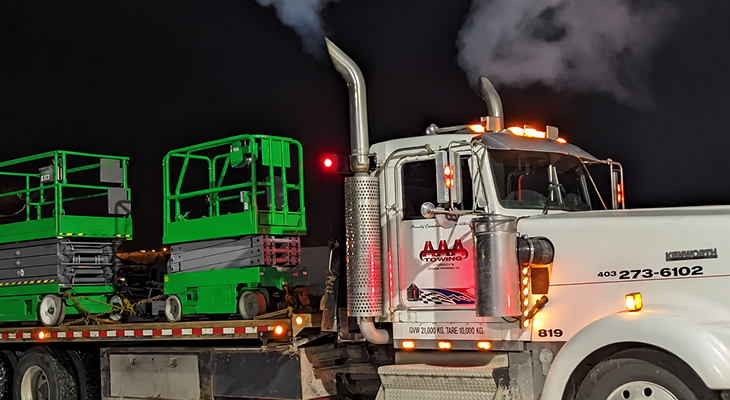
Moving machinery across Calgary is never as simple as loading it onto a trailer and driving away. Between narrow site access, tight deadlines, and provincial weight regulations, getting heavy equipment from one job site to another takes planning, the right trailers, and drivers who know how to read the road.
Our team at AAA Towing has spent decades helping contractors, fleet managers, and equipment owners move machinery safely across the city and the surrounding region, and this article walks through what businesses should understand about heavy equipment hauling for Calgary companies that rely on it when downtime simply isn’t an option.
Image
What Heavy Equipment Hauling For Calgary Businesses Needs Goes Beyond A Big Truck
At AAA Towing, we’ve learned that a lot of people assume heavy equipment hauling in Calgary is just towing on a larger scale. In practice, it’s a different discipline altogether. An excavator, skid steer, or compact loader carries its weight differently than a passenger vehicle, and that changes everything about how it needs to be secured, balanced, and transported.
Our professionals look at several factors before a single piece of equipment leaves the yard:
- The total weight and how it’s distributed across the trailer
- The height, width, and length of the load compared to legal limits
- The route, including bridges, overpasses, and construction zones
- Weather conditions, since Calgary’s climate can shift quickly
- Whether the destination site has enough clearance for safe unloading
Skipping any one of these steps can lead to a damaged machine, a blocked roadway, or a costly delay. That’s why our company treats every hauling job as its own project rather than a one-size-fits-all service.
The Role Of Proper Trailers And Securement
Not every trailer is built for every machine. A tilt-deck trailer might suit a smaller loader, while a low-boy trailer with multiple axles is often needed for a large excavator or dozer. Our team matches the trailer to the equipment based on weight, ground clearance, and how the load needs to be positioned for balance during transport.
Securement matters just as much as the trailer choice. Chains, binders, and straps all need to be rated for the load and placed at the correct points on the machine. Loose or improperly rated tie-downs are one of the most common causes of equipment shifting mid-transport, which can damage the machine and put other drivers at risk.
What Sets Heavy Equipment Hauling Calgary Companies Apart
Calgary’s mix of urban construction, suburban development, and industrial or agricultural work outside the city means equipment haulers need to be comfortable working in very different environments, sometimes on the same day. A crew might be moving a skid steer out of a downtown build site in the morning and hauling a tractor from a rural property near Airdrie by the afternoon.
Local Knowledge Makes A Real Difference
Understanding Calgary’s roads, seasonal weight restrictions, and construction detours is part of what separates an experienced hauler from a generic trucking service. Our dispatchers know which routes avoid low bridges, which neighbourhoods have tighter access, and how weather can affect timing during the winter months.
Licensing, Permits, And Compliance
Heavy hauling in Alberta is regulated, and oversize or overweight loads often require permits before they can travel on provincial highways. Businesses moving larger machinery should confirm ahead of time whether their load falls under these rules. The Government of Alberta outlines the current requirements for commercial vehicle permits on its oversize and overweight permits, which is a helpful reference for anyone planning a large equipment move. Working with a hauler who already understands these rules helps avoid delays, fines, or a load being turned away partway through the route.
Common Situations That Call For Professional Equipment Hauling
Businesses reach out for hauling support in a wide range of situations, and recognizing when it’s time to call in help can save both time and money.
- Relocating machinery between job sites: Contractors often need equipment moved as a project wraps up and a new one begins, sometimes on the same day.
- Purchasing or selling used equipment: Buyers and sellers frequently need machinery transported once a deal closes.
- Seasonal moves: Agricultural equipment, in particular, often needs to travel between storage and fieldwork locations depending on the time of year.
- Breakdowns on remote sites: When a machine can’t be driven or towed conventionally, a proper hauling trailer becomes the only safe option.
- Auction or dealership transport: Equipment bought at auction still needs a safe ride to its new home.
Each of these scenarios comes with its own logistics, and our professionals adjust the approach depending on the equipment involved and the distance being covered.
How A Hauling Job Comes Together From Start To Finish
Clients often ask what actually happens once they book a hauling job, so it helps to walk through the general process.
Step One: Assessing The Load
Our team gathers details about the equipment, including its make, model, weight, and dimensions. This information determines which trailer and permits, if any, are required.
Step Two: Planning The Route
Once the load specifications are confirmed, a route is mapped out that accounts for road restrictions, bridge clearances, and any construction along the way.
Step Three: Loading And Securement
The equipment is loaded carefully, with attention paid to weight balance across the trailer. Every tie-down point is checked before the trailer leaves the site.
Step Four: Transport And Delivery
Drivers monitor the load throughout the trip, adjusting speed and following distance for the added weight and size. Upon arrival, the equipment is unloaded with the same care used during pickup.
From load assessment to final delivery, these four steps help ensure every heavy equipment hauling service is properly planned, coordinated, and safely completed across Calgary and Southern Alberta.
Questions Worth Asking Before Hiring A Heavy Equipment Hauling Company
Not every hauling service offers the same level of care, so it’s worth asking a few questions before committing to one:
- Does the company carry adequate insurance for the type and value of equipment being moved?
- Are drivers experienced with the specific machinery involved?
- What trailers are available, and do they suit the equipment’s weight and dimensions?
- How quickly can the company respond if a job needs to move sooner than planned?
- Is the company familiar with Alberta’s permit and weight regulations?
Asking these questions upfront helps avoid surprises and gives businesses a clearer picture of who they’re working with.
Seasonal Factors That Affect Equipment Hauling In Calgary
Calgary’s weather swings can change a hauling plan almost overnight. A dry, straightforward route in July can turn into a slow, careful drive in November once ice and early snow enter the picture. Our team builds seasonal awareness into every job rather than treating winter as an exception to the rule.
Winter Hauling Considerations
- Reduced daylight hours mean routes and timing need to be planned more carefully
- Snow-covered or icy roads call for lower speeds and increased following distance.
- Cold temperatures can affect hydraulic systems on some machinery, so equipment is checked before it’s secured.
- Chinook conditions can create sudden freeze-thaw cycles that make certain routes temporarily unsafe.
Spring And Summer Considerations
- Spring road bans and weight restrictions can apply in parts of the province during thaw season.
- Construction activity increases in warmer months, which affects route planning and site access.
- Longer daylight hours generally allow more flexibility for scheduling larger moves.
Businesses that plan hauling jobs around Calgary’s seasonal patterns tend to see fewer delays. Our dispatchers factor these conditions into every quote and route plan so clients aren’t caught off guard partway through a project.
Why Businesses Across Calgary And Surrounding Areas Choose Our Team
Machinery represents a significant investment, and moving it carelessly can turn a routine relocation into an expensive setback. Our company has built its reputation over decades by treating every piece of equipment as though it were our own, matching the right trailer and crew to the job, and staying current with Alberta’s transportation regulations. Whether it’s a single skid steer or a full fleet relocation, our professionals aim to keep projects on schedule and equipment protected from the first phone call to final drop-off.
Conclusion
In Calgary, heavy equipment hauling isn’t something to leave to chance. The right trailer, an experienced crew, and a clear understanding of provincial regulations all play a part in getting machinery where it needs to go without damage or delay. If your business is planning a move, AAA Towing is ready to help with the fleet, experience, and local knowledge needed to get the job done properly. Reach out through our Contact Us page to discuss your next hauling project with our dispatch team.