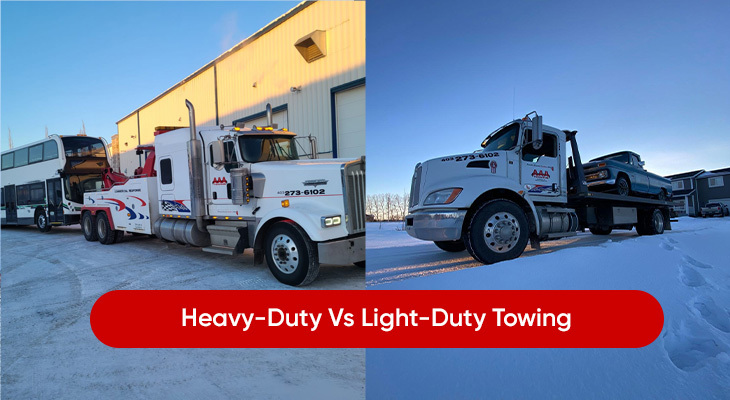
Heavy-Duty Vs Light-Duty Towing: What’s Right For Your Vehicle Or Equipment?
Trucking companies across Alberta rely on fast, capable, and consistent support when breakdowns interrupt routes. A dependable commercial towing provider helps fleets protect assets, reduce delays, and navigate challenging road conditions with confidence.
Many trucking operators explore details for a trusted towing service in Calgary, which supports planning for long-haul operations. Selecting the right partner improves efficiency and decreases costly disruptions across the supply chain.
Trucking operations demand precision. When a truck breaks down on a highway, time affects safety, customer delivery schedules, and driver well-being. A strong towing partner becomes part of the fleet’s safety network, offering commercial transport support, large vehicle recovery, and highway recovery solutions across Alberta.
This article explains what qualities define a reliable provider and how trucking companies can evaluate towing partners based on capability, response time, operator training, and overall service reliability.
Why Trucking Companies Rely on Commercial Towing Services
Alberta’s transportation network moves heavy freight every day. Commercial carriers must be ready for mechanical failures, load issues, and winter driving challenges. Professional commercial towing services give fleets access to certified heavy tow operators, specialized towing equipment, and emergency support when routes take unexpected turns.
A dependable towing partner helps in providing roadside heavy recovery, semi truck towing, and commercial vehicle recovery services. Fleet managers also rely on towing partners for safety inspections, asset protection during towing, and logistics downtime prevention. Every minute a truck remains on the roadside increases the risk, which is why reliable support matters.
Key Qualities of a Commercial Towing Provider
Trucking companies need more than basic towing support. They need a towing company that understands Alberta trucking operations and adapts to changing road conditions.
Strong providers offer:
- A full range of heavy-duty towing services
- Certified and trained operators
- Quick towing response time
- Equipment that handles large vehicle recovery
- Technical knowledge of modern commercial units
- Reliable communication and transparent updates
The ideal towing company treats every call as critical and supports fleet safety through every step of the process.
Heavy-Duty Capability and Specialized Equipment Matter
A commercial towing provider must handle the weight, size, and structure of transport trucks. Standard tow trucks cannot manage semi trucks, trailers, or loaded units. Heavy-duty towing capability is essential.
A strong provider uses:
- Rotators for complex accident scenes
- Air cushion systems for controlled uprighting
- Lowboy and landoll trailers for equipment hauling
- Heavy winching systems for rolled or stuck units
- Tow units built for long-distance commercial hauls
These features improve towing service reliability and protect assets during recovery. When trucking companies move freight across provinces, they need a partner that handles emergency heavy towing without delays or equipment limitations.
Certifications, Training, and Operator Skill
Certified heavy tow operators demonstrate professionalism and technical expertise. Commercial vehicles require careful handling, especially when dealing with advanced braking systems, electrical components, and integrated trailer technology.
A dependable towing provider ensures that operators are trained in large-vehicle recovery, semi-truck towing, and hazard management during breakdowns on Alberta highways.
Why Response Time Matters for Commercial Fleets
Towing response time affects truck availability, driver schedules, and customer expectations. When commercial vehicles stop unexpectedly, every minute increases operational cost. Faster commercial towing reduces delays and gets assets back on the road sooner.
Reliable providers offer:
- 24-hour commercial towing for highway incidents
- Prepared teams for winter towing conditions
- Quick dispatch for truck breakdown services
- Skilled operators who can assess issues on arrival
Safety Standards and Asset Protection During Towing
Trucking companies must protect their vehicles, loads, and drivers. Commercial towing providers with strong safety standards ensure that vehicles remain secure during transport and recovery operations.
Key elements include:
- Proper rigging techniques
- Equipment matched to vehicle weight
- Winter road precautions
- Secure attachment points
- Controlled winching and lifting
- Risk assessment procedures
Towing operators must also follow commercial transport safety requirements set by the province. This supports both roadside workers and passing traffic during recovery operations.
Real World Conditions on Alberta Highways
Alberta weather demands consistent preparation. Snow, ice, wind, and sudden drops in visibility influence commercial transport support. Winter towing conditions also increase risks for drivers and heavy vehicles.
A commercial towing provider must understand:
- High mountain corridors
- Rural access roads
- Major commercial freight routes
- Urban delivery areas
- Prairie highways are open to extreme winds
Providers with regional knowledge respond faster and identify safe recovery strategies. This level of experience supports trucking operators who navigate Alberta’s varied landscape daily.
Reducing Downtime Through the Right Commercial Towing Partner
A strong towing partner reduces downtime by responding quickly, communicating clearly, and executing safe recovery operations. Fleet towing services help carriers avoid delays that disrupt delivery timelines.
Trucking companies benefit from:
- Faster roadside clearance
- Correct equipment for heavy-duty towing on Calgary routes
- Immediate access to emergency heavy towing
- Clear coordination between dispatch and driver
- Safe handling of damaged or compromised vehicles
A reliable provider also understands that fleets operate under pressure. The right towing partner becomes part of the company’s support network and contributes to long term operational efficiency.
Why AAA Towing Is the Right Partner for Commercial Fleets
AAA Towing supports trucking companies through advanced heavy-duty towing services, certified operators, and fast response teams. We handle semi-truck towing, commercial vehicle recovery, equipment hauling, and large vehicle recovery for fleets working throughout Alberta.
AAA Towing provides:
- Experienced commercial towing operators
- Heavy-duty units designed for transport trucks
- Fast dispatch and long-haul support
- Safe recovery practices for damaged or disabled vehicles
- Services built for logistics downtime prevention
Trucking companies that operate across Alberta benefit from a partner that understands commercial demands and responds with professionalism. We remain committed to supporting fleet safety, operational efficiency, and reliable service during every call.
For commercial towing assistance or dispatch support, you can contact us anytime.
When your vehicle breaks down or equipment stalls, it’s easy to assume any tow truck can handle the job. But in reality, not all towing companies are the same.
Choosing between heavy-duty and light-duty towing can determine whether your vehicle is transported safely—or at risk of costly damage.
From small passenger cars to fully loaded semi-trucks, every recovery requires the right tools and expertise.
For drivers and business owners across Alberta, understanding these two categories of towing can help you make an informed decision when the unexpected happens.
Understanding The Difference Between Heavy-Duty & Light-Duty Towing
At first glance, the difference might seem obvious—light-duty for smaller vehicles and heavy-duty for larger ones.
But there’s much more to it. Each service involves specialized equipment, techniques, and operator training to ensure safe recovery and transport.
What Is Light-Duty Towing?
Light-duty towing is designed for smaller vehicles such as sedans, hatchbacks, motorcycles, and compact SUVs.
These jobs are handled using flatbed or wheel-lift tow trucks, which safely secure the vehicle without damaging tires or suspension systems.
Common light-duty towing scenarios include:
- Vehicle breakdowns on city streets or in residential areas
- Battery boosts, jump starts, and lockout assistance
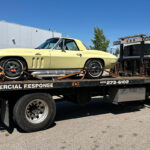
- Transporting classic or performance cars with low clearance
Because these services are quick and versatile, they’re ideal for roadside recovery within city limits.
What Is Heavy-Duty Towing?
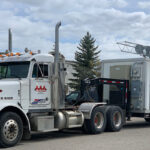
Heavy-duty towing is used for large commercial vehicles and equipment that exceed the capacity of a standard tow truck. This includes tractor-trailers, buses, RVs, dump trucks, and construction machinery.
Heavy-duty tow trucks are built with high-torque engines, reinforced booms, air brake systems, and integrated wheel lifts that can handle tens of thousands of pounds.
Operators undergo advanced safety and load management training to secure and transport massive vehicles without causing additional strain or imbalance.
Typical heavy-duty towing jobs include:
- Recovering overturned semi-trucks or buses
- Transporting construction equipment between job sites
- Assisting with industrial or highway accidents
How To Know Which Towing Service You Need
If your vehicle breaks down, the right towing service depends on weight, size, and location.
Vehicle Weight And Classification
- Light-Duty: Up to 10,000 lbs—cars, motorcycles, minivans
- Medium-Duty: 10,000–26,000 lbs—delivery vans, small box trucks
- Heavy-Duty: Over 26,000 lbs—semi-trucks, buses, heavy equipment
Even a few hundred pounds can make a difference when determining which type of tow truck to dispatch. Using the wrong equipment can cause vehicle damage or unsafe towing conditions.
Situational Factors
Consider where the breakdown occurred. Light-duty trucks are ideal for parking lots or city traffic, while heavy-duty units are needed for remote recoveries, commercial accidents, or vehicles stuck in ditches.
When in doubt, professional towing companies assess the situation before dispatching the right vehicle to ensure a safe, efficient recovery.
Equipment And Technology Behind Each Type Of Towing
Professional towing companies invest heavily in technology to improve safety and efficiency.
Light-Duty Equipment
- Flatbed and wheel-lift tow trucks for secure transport
- Winches for small recoveries or off-road assistance
- GPS dispatching for fast response times across urban areas
Heavy-Duty Equipment
- Integrated wreckers with 50-ton lifting booms
- Air cushions and cranes for rollovers and recovery operations
- Underlift systems and air brake compatibility for semi-trucks
Modern fleet management systems also allow dispatchers to monitor locations in real-time, reducing wait times and improving communication during emergencies.
The Cost And Time Difference
The cost and duration of towing depend on several factors: vehicle weight, distance, location, and complexity of recovery.
- Light-Duty Towing: Typically faster and less expensive due to smaller vehicles and simpler setups.
- Heavy-Duty Towing: More costly because of specialized trucks, multiple operators, and advanced rigging requirements.
Regardless of type, reputable towing providers follow transparent pricing standards and use licensed operators.
Why Choosing The Right Tow Truck Matters
Selecting the wrong tow service can result in mechanical damage or unsafe transport. Professional towing operators understand the engineering and balance required to safely move vehicles of all sizes.
Safety And Vehicle Protection
Light-duty tow trucks protect delicate components like suspension and drivetrains, while heavy-duty units are designed to manage massive loads without overstraining mechanical parts.
Legal And Compliance Factors
In Alberta, commercial towing operations must adhere to strict regulations on load limits, equipment standards, and operator licensing.
Working with certified professionals ensures compliance with Government of Alberta Commercial Vehicle Safety Requirements.
How A Professional Towing Company Simplifies the Process
A dependable towing company streamlines every step of recovery, from dispatch to delivery.
24/7 Response
Breakdowns don’t follow a schedule. That’s why professional towing services in Calgary operate 24/7, even during blizzards or extreme cold snaps.
Experienced Operators
Certified technicians can assess vehicle needs instantly, determine load classifications, and use proper rigging techniques for safety.
Modern Fleet And Coordination
With a diversified fleet of tow trucks—ranging from flatbeds to heavy-duty wreckers—companies can handle every call efficiently. GPS coordination also reduces wait times and ensures accurate ETA updates for stranded drivers.
Final Thoughts: Matching The Tow To The Task
The right towing solution depends on more than just vehicle size—it’s about safety, efficiency, and experience. Light-duty towing is best for smaller vehicles and quick recoveries, while heavy-duty towing handles large, complex, or industrial challenges.
Understanding this difference helps you make the right call in stressful moments and ensures your vehicle or equipment is handled by professionals who know exactly what they’re doing.
When it comes to towing services in Alberta, choosing a company equipped for both heavy-duty and light-duty recovery means you’re covered in every situation—on the highway, at the job site, or on city streets.
About AAA Towing
AAA Towing has been serving Calgary and surrounding Alberta communities for over 40 years. With a fleet of more than 40 trucks, including light-, medium-, and heavy-duty tow vehicles, the company delivers professional towing and recovery services 24/7.
Their team of certified operators specializes in roadside assistance, equipment transport, and complex recovery operations across the province.
Safety, reliability, and fast response are at the heart of their work—qualities that make AAA Towing a trusted name in Calgary’s towing industry. Contact us today for more information.