Reliability in towing does not come from branding or promises. It comes from operations. A reliable tow truck company performs consistently under pressure.
It responds with structure and manages risk through systems. These qualities are most important when traffic is blocked, vehicles are disabled, or safety is at risk.
Many vehicle owners and fleet operators rely on a professional towing company in Calgary when situations escalate beyond roadside fixes. At that point, reliability becomes measurable. It shows how crews are dispatched, how equipment is selected, and how recoveries are executed.
This blog explains the operational traits that define a reliable tow truck company. These traits focus on execution rather than marketing language.
- Consistent Dispatch and Response Coordination
Dispatch is the operational backbone of towing. Reliable companies use structured intake procedures. They confirm location details and assign the correct equipment from the start. This reduces delays and prevents unnecessary vehicle movement.
Inconsistent dispatch leads to confusion. It increases response time and on-scene risk. A reliable operation treats dispatch as a controlled process rather than a call forwarding function.
- Equipment Matching Based on Load and Conditions
Every towing scenario has variables like vehicle weight, drive configuration, road grade and surface conditions. Reliable towing companies match equipment to those factors before arrival.
Improper truck selection creates risk and increases strain on equipment. It raises the chance of vehicle damage. Operational reliability depends on correct load ratings and tow method selection.
The Canada Motor Vehicle Safety Standard defines the rules and regulations for the safety of vehicles. Commercial vehicles must be safe and fit for operation on Canada’s roads.”
- Routine Tow Truck Inspection and Maintenance
Reliable tow trucks do not fail mid-recovery. That outcome depends on inspection discipline, maintenance schedules for hydraulic systems, braking systems, winches and lighting matters.
Preventive maintenance protects operators and motorists. It also protects vehicles under tow. A breakdown during recovery creates compounded risk. Reliable companies treat maintenance as a daily responsibility.
All vehicles must comply with Vehicle Safety Standards to protect both citizens and machinery.
- Trained Operators Following Defined Procedures
Operator skill alone does not create reliability, but procedures do. Reliable towing companies train operators to follow consistent recovery steps. This includes vehicle stabilization, hook-up sequencing and load control.
Defined procedures reduce improvisation and create predictable outcomes. This matters most during high-stress recoveries such as collisions or rollovers.
- Safety First Recovery Planning
Reliable towing operations plan before acting. They assess traffic flow, consider the weather and evaluate terrain. This planning prevents secondary incidents.
Safety planning protects emergency responders and the public. It also protects the operator. A reliable tow truck company does not rush into recoveries without assessment.
Hazard identification and assessment are critical steps in preventing workplace injuries.
- Clear Communication Between Dispatch and Operators
Reliable operations maintain constant communication. Dispatch updates operators on traffic changes. Operators report scene conditions. This flow of information prevents missteps.
Poor communication creates gaps and leads to unsafe positioning. It increases recovery time. Reliability depends on clear and continuous information exchange.
- Compliance With Licensing Insurance and Load Standards
Compliance is not optional. Reliable towing companies operate within legal limits. They maintain proper licensing, carry appropriate insurance and follow load ratings.
Non-compliance increases liability and weakens safety standards. Reliable towing operations treat compliance as a core operational requirement, not an administrative task.
- Standardized Incident Management Procedures
Incident management requires coordination. Reliable towing companies follow structured steps at accident scenes. These steps include vehicle placement, debris control and recovery sequencing.
Standardization reduces chaos and restores traffic flow faster. It also reduces secondary collisions.
In complex recoveries, skilled incident management towing service providers play a critical role in roadway safety and efficiency.
- Geographic Coverage and Route Familiarity
Local knowledge improves response quality. Reliable towing companies understand traffic patterns and know industrial access points. They plan routes efficiently.
This familiarity reduces arrival time and also improves recovery execution. Reliability includes knowing where and how to operate safely within a service area.
- Documentation and Post-Recovery Accountability
Reliable towing does not end when the vehicle moves. They also focus on documentation matters, condition notes, recovery methods and load handling records.
This accountability protects all parties. It supports transparency and also strengthens operational integrity over time.
Why Operational Traits Matter More Than Claims
Marketing language may sound reassuring, but it does not control outcomes on the road. Real reliability appears when towing crews face congestion, damaged vehicles, and changing conditions. In those moments, structured operations guide decisions and protect everyone involved.
Reliability Shows When Conditions Become Unpredictable
Towing rarely occurs in controlled environments. Traffic pressure, weather shifts, and vehicle instability often combine during recoveries.
Operational discipline allows towing crews to respond calmly and consistently despite these variables. Defined procedures and preparation reduce uncertainty and help crews adapt without creating additional risk.
Safety Results Reflect Operational Planning
Strong safety outcomes do not happen by chance. They come from preparation, awareness, and structured recovery planning.
Operators assess the scene, manage traffic exposure, and control vehicle movement before initiating a tow. These steps reduce the likelihood of secondary incidents and protect both responders and motorists.
Controlled Execution Prevents Escalating Damage
Unplanned recoveries often lead to avoidable damage. Poor positioning, rushed movements, or incorrect equipment selection can worsen vehicle condition and create roadway hazards.
Operationally sound towing companies prioritize controlled execution, which stabilizes vehicles and keeps recovery actions measured and deliberate.
Consistency Builds Long-Term Trust
Reliability depends on consistency across every recovery. Dispatch coordination, operator response, and documentation must follow the same standards regardless of time or location.
This consistency reassures fleet operators, motorists, and roadway partners that outcomes will remain predictable even in stressful situations.
Professional Towing Operates as a Coordinated System
Towing functions as a logistical operation rather than a reactive task. Each recovery involves planning, communication, and sequencing.
Operational traits allow towing teams to manage resources effectively while maintaining safety and efficiency. This system-based approach separates professional towing operations from improvised responses.
About Us
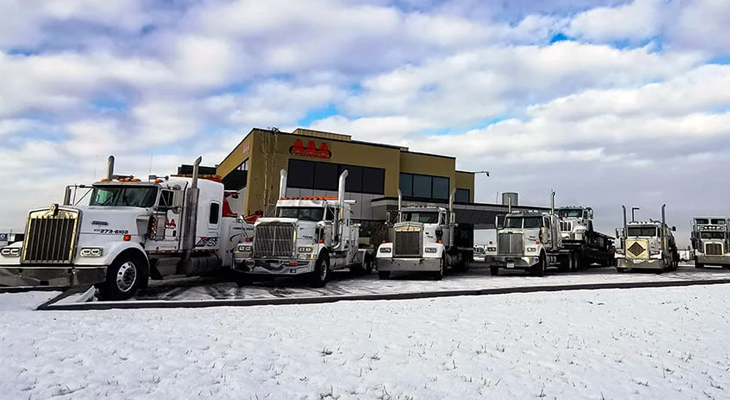
AAA Towing operates with a focus on structured towing and recovery operations across Calgary and surrounding areas. Our approach centers on dispatch coordination, proper equipment selection, and safety-focused recovery planning.
Our team follows defined procedures during towing, recovery, equipment hauling, and incident response. Each operation begins with assessment and ends with documentation. This structure supports consistent outcomes and controlled execution.
By maintaining operational standards and accountability, we support reliable outcomes for motorists, commercial fleets, and roadway partners. To discuss service needs or response planning, contact us today.
Fast & Reliable Towing
We make sure each customer is completely satisfied before we leave the job.