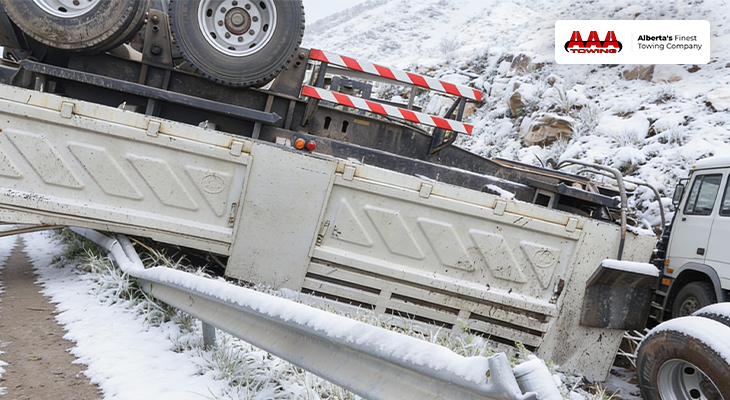
Heavy-duty towing decisions impact safety, liability, and operational continuity for Calgary businesses. When a large vehicle or piece of equipment fails, the towing partner you choose matters immediately.
Poor decisions often lead to extended downtime, added costs, and avoidable risk exposure.
Many companies only think about towing after an incident occurs. That reactive approach creates pressure and leads to mistakes. Businesses that plan reduce risk and regain control during critical events.
Choosing a provider that specializes in heavy-duty towing services in Calgary allows organizations to respond faster and protect assets when failure occurs.
Understanding the most common mistakes helps businesses avoid preventable losses and build reliable recovery plans.
Why Heavy Duty Towing Requires a Different Approach
Heavy-duty towing involves far more than moving disabled vehicles. These operations often include commercial trucks, construction equipment, loaded trailers, and fleet vehicles. Each scenario presents safety risks and regulatory responsibilities.
Government guidance reinforces the importance of professional handling during roadside and recovery operations. Transport Canada clearly states that Road safety is a shared responsibility.
When businesses overlook these responsibilities, small oversights escalate into costly events. Recognizing the differences between heavy-duty towing and standard towing sets the foundation for better decisions.
- Hiring Without Proven Heavy Duty Experience
Many companies assume all towing providers offer the same capabilities. This assumption leads to costly outcomes. Heavy vehicles require specialized training, recovery planning, and equipment knowledge.
Operators without heavy-duty experience may misjudge load balance, recovery angles, or surface conditions. These errors increase the risk of secondary damage and workplace incidents.
Commercial recovery operations also involve coordination with traffic management and site supervisors. Inexperienced providers struggle with these complexities.
A professional heavy-duty towing partner demonstrates documented experience handling commercial vehicles under varied conditions. Experience protects your equipment and your people.
- Choosing Price Over Capability
Budget pressure influences many purchasing decisions. However, heavy-duty towing based solely on price often creates larger expenses later.
Inadequate equipment or rushed recovery efforts lead to delays, damage, or repeat service calls. Businesses end up paying more through lost productivity and repair costs.
Capability-driven selection prioritizes safety, compliance, and operational efficiency. Price should follow capability, not replace it.
- Overlooking Tow Truck Capacity And Equipment Type
Not all tow trucks are built for heavy-duty operations. Businesses often assume availability means suitability. That assumption proves expensive.
Heavy wreckers, rotators, and specialized trailers serve different recovery needs. Using the wrong equipment increases recovery time and structural risk.
Operators must assess vehicle weight, load distribution, and access constraints before deployment. Failure to match equipment to conditions compromises safety.
Companies evaluating commercial towing services in Calgary should confirm tow truck capacity and recovery options in advance. Equipment readiness directly impacts recovery outcomes.
- Ignoring Safety Procedures And Compliance Standards
Heavy-duty towing operates in high-risk environments. Traffic exposure, unstable loads, and limited visibility create hazards for workers and the public.
Safety protocols reduce these risks when followed consistently. Providers without documented procedures expose businesses to liability.
Every employer shall ensure that the health and safety at work of every person employed by the employer is protected.
Businesses remain responsible for contractors operating on their behalf. Choosing safety-driven towing providers protects both parties.
- Failing To Confirm Response Coverage And Availability
Response time matters during commercial breakdowns. Delayed recovery increases congestion, environmental exposure, and business interruption.
Some providers advertise availability but lack resources during peak demand. Others restrict service areas without clear disclosure.
City-wide coverage ensures consistent response across industrial zones, highways, and urban corridors. Businesses relying on time-sensitive logistics need confirmed coverage.
A dependable tow truck company in Calgary communicates response expectations clearly and deploys appropriate resources without delay.
- Not Defining Service Scope Before An Incident
Assumptions create conflict during recovery operations. Businesses often discover service gaps after work begins.
Load transfers, traffic coordination, secure storage, and site cleanup may fall outside basic towing agreements. Without a clear scope definition, costs escalate quickly.
Written service expectations eliminate confusion. They align response efforts with business priorities and regulatory requirements.
Clarity ensures recovery efforts remain efficient and predictable.
- Treating Heavy Duty Towing As A One Time Need
Many businesses view towing as an occasional service. That mindset limits preparedness.
Long-term towing partnerships improve response time and reduce risk. Providers familiar with fleet assets and operating environments respond more effectively.
Pre-established relationships support proactive planning and consistent service delivery. Businesses benefit from reduced downtime and improved coordination.
Treating heavy-duty towing as part of operational planning strengthens resilience.
How Businesses Can Choose The Right Heavy Duty Towing Partner
Selecting the right partner requires evaluation beyond availability. Businesses should assess experience, safety practices, equipment capability, and response coverage.
Government guidance supports preparedness and risk mitigation across transportation operations. Safe vehicles, safe roads and safe users are the key components of road safety.
A qualified partner aligns recovery planning with safety and compliance requirements. Businesses that prepare in advance reduce exposure during emergencies.
Frequently Asked Questions
When should a business request heavy-duty towing?
Heavy-duty towing is required when a vehicle’s weight or load exceeds standard towing limits. Commercial trucks and equipment usually qualify.
Does roadside assistance replace heavy-duty towing?
Roadside assistance handles minor issues. Heavy vehicle failures require professional recovery planning and equipment.
How does towing affect business liability?
Improper towing increases risk exposure. Qualified providers reduce safety and compliance risks during recovery operations.
Conclusion
Heavy-duty towing decisions carry serious operational consequences. Mistakes often result from rushed decisions made during high-pressure situations.
Businesses that understand common pitfalls gain control over recovery outcomes. Preparation reduces downtime, protects assets, and safeguards personnel.
Selecting the right towing partner before incidents occur strengthens operational continuity and compliance.
About Us
AAA Towing provides professional heavy-duty towing and equipment hauling services throughout Calgary and surrounding regions. We support commercial fleets, construction contractors, and industrial operators who require dependable recovery solutions.
Our team focuses on safety-driven operations, specialized equipment deployment, and coordinated response planning. Each recovery effort prioritizes efficiency and risk reduction.
Businesses rely on us for consistent service during critical situations. Partnering early helps prevent costly disruptions.
Contact us today to discuss heavy-duty towing support for your operations.
Fast & Reliable Towing
We make sure each customer is completely satisfied before we leave the job.